Service
MoodTrack the political temperature of a constituency before momentum becomes difficult to shift. IssueIdentify which issues are actually influencing voters, not just dominating public noise. ChoiceUnderstand how the electorate is comparing candidates, parties, and local alternatives.
Opinion Poll
IDRS runs opinion polls that help campaigns understand voter mood, issue hierarchy, candidate perception, and the likely direction of the contest before the field hardens.
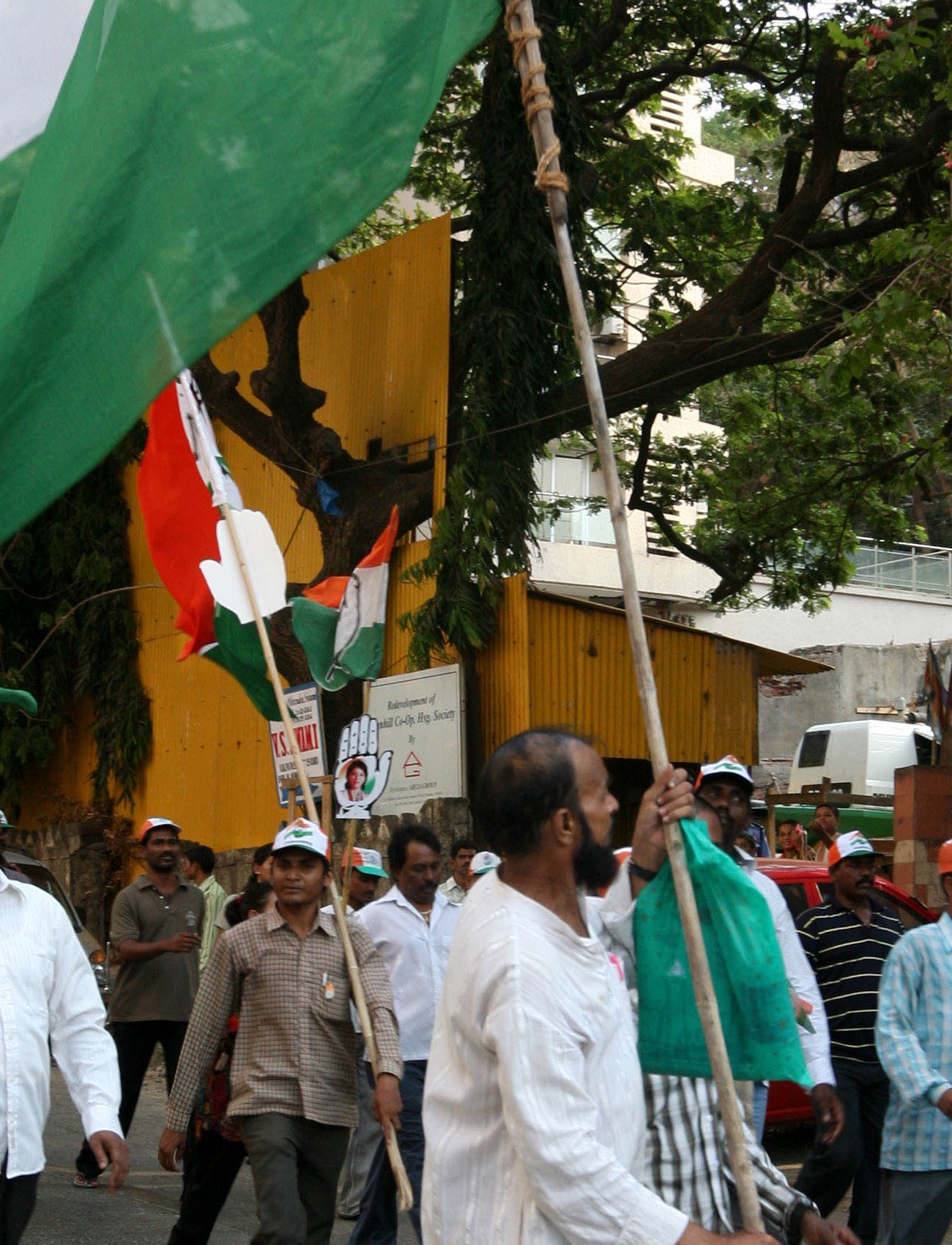
Before the field settles
Opinion polling tests assumptions while campaigns still have room to correct course.
Best used for
Baseline understanding, message calibration, and candidate positioning before major decisions.
Overview
What this service does
Built for campaigns that need a clearer read on the electorate before spending more time, money, and political energy in the wrong direction.
IDRS approach
Opinion polling gives campaigns a structured way to understand what voters are thinking before election-day behavior settles into a harder pattern. It helps measure awareness, dissatisfaction, issue salience, leadership acceptance, alliance perception, and the comparative standing of candidates.
At IDRS, opinion polling is not designed as a headline exercise. It is designed to support strategic choices. The output is meant to help leadership sharpen positioning, correct weak messaging, identify soft voter zones, and decide where the next phase of effort should go.
What the engagement includes
- Baseline or wave-based opinion poll design
- Sampling by geography, voter profile, and contest sensitivity
- Issue salience, mood, and candidate perception analysis
- Segment-wise interpretation for strategy and communication review
- Leadership presentations with clear direction beyond topline numbers
Process
How IDRS runs opinion polling
The goal is to understand the voter before the campaign locks itself into the wrong message, geography, or candidate emphasis.
Frame
We define the campaign decisions the poll must inform, not just the data points it should collect.
Survey
Fieldwork or telephonic collection is executed to capture representative opinion with consistency and political relevance.
Read
Findings are broken down by geography, issue intensity, mood, and movement across voter groups.
Apply
The poll is translated into decisions on communication, positioning, candidate movement, and constituency focus.
Coverage
What strong opinion polling can reveal
Opinion polling is most valuable when it helps leadership see where the contest is drifting and what must change before it is too late.
Mood direction
Understand whether the electorate feels hopeful, dissatisfied, cautious, confused, or resistant.
Issue hierarchy
Separate headline issues from the concerns that are actually driving voter choice.
Candidate standing
Measure familiarity, preference, acceptability, rejection risk, and comparative perception.
Geographic spread
See where support is concentrated, weak, or unstable across the constituency.
Risk mapping
Identify segments where message correction or local repair is urgently needed.
Decision support
Give leadership a clearer base for message correction, route planning, and resource prioritization.
Outcome
What this strengthens for the campaign
Every service is built to improve decision quality, execution discipline, and the campaign’s ability to connect with voters more effectively.
Smarter pre-election correction
Campaigns can correct message, tone, and positioning before weaknesses become fixed impressions.
Better issue prioritization
Resources go toward the issues voters actually care about rather than elite assumptions.
More grounded candidate strategy
Candidate positioning becomes clearer, sharper, and less dependent on guesswork or anecdote.
Partnership
Let’s join hands and win it together.
Connect with IDRS Consulting for campaign planning, political research, digital coordination, and election management support across India.
Our Milestones
India’s most experienced