
Service
SampleSampling reflects geography, booth diversity, turnout context, and contest realities. CaptureField teams work with tight polling-day protocols to reduce noise and improve reliability. ReadOutputs focus on interpreting voting behavior, not headline speculation alone.
Exit Poll
IDRS runs exit poll programs that combine disciplined field collection, strong sample planning, and careful reading of voter behavior at the point of participation.
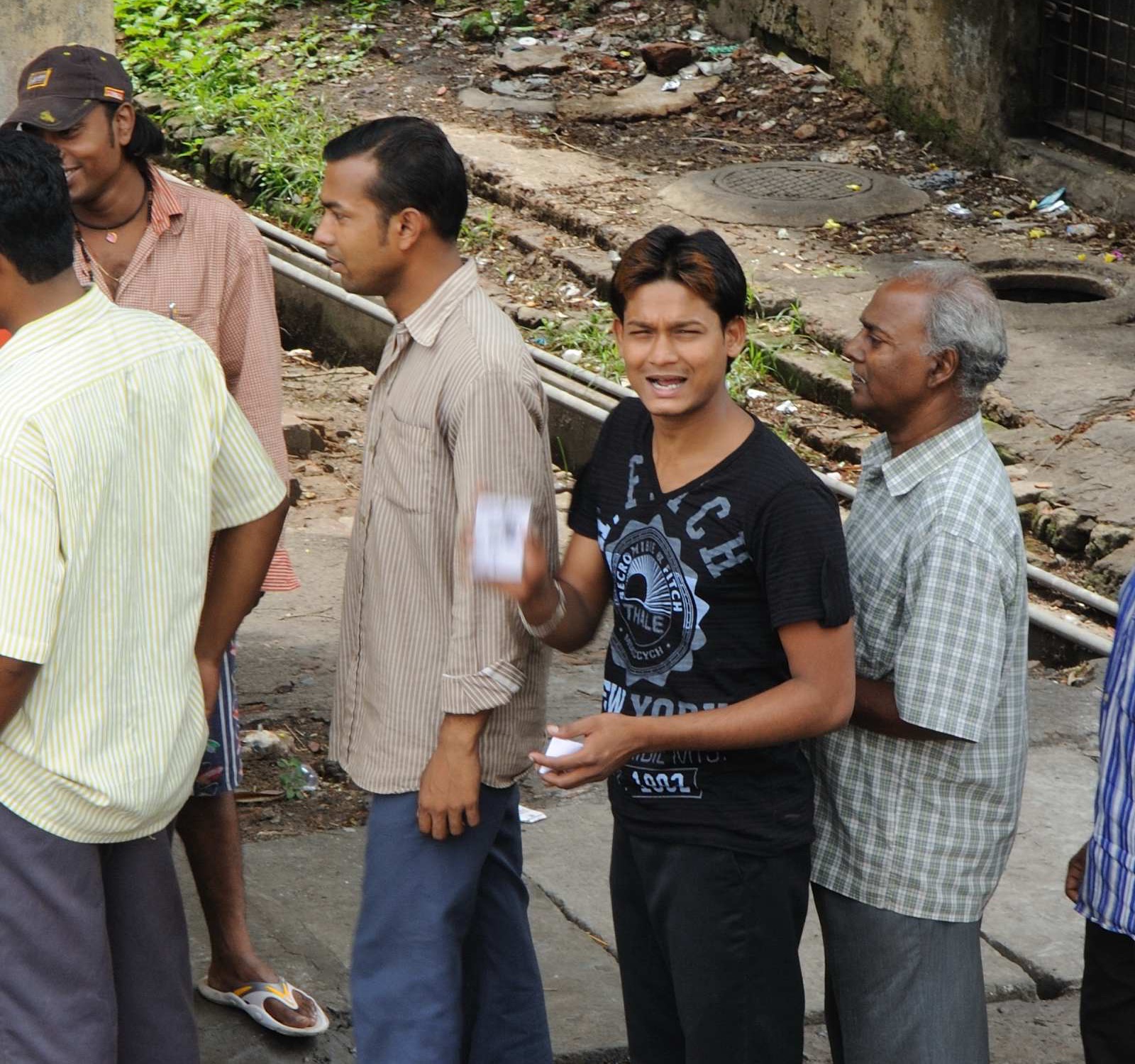
Polling-day insight
Voting behavior is most valuable when captured with discipline and context.
Useful for
Rapid post-vote analysis, newsroom interpretation, and constituency-level result understanding.
Overview
What this service does
Built for the final stage of the contest when campaigns, media teams, and analysts need a clearer read on how voting behavior actually played out.
IDRS approach
Exit polling helps interpret the election after votes are cast by capturing voter choices, turnout behavior, and issue tendencies at the point of participation. When done carefully, it can reveal patterns in support, booth behavior, and segment movement that are difficult to understand from anecdotal feedback alone.
IDRS approaches exit polls with an emphasis on sample logic, field discipline, and post-vote interpretation so stakeholders receive grounded insight instead of noise disguised as certainty.
What the engagement includes
- Polling-day questionnaire design suited to fast field capture
- Sampling framework by constituency, booth, and voter mix
- Enumerator training and polling-day field supervision
- Rapid collation and pattern reading after voting closes
- Structured reporting for internal review, result interpretation, or media support
Process
How IDRS runs exit poll operations
Polling-day work demands discipline in the field, speed in consolidation, and restraint in interpretation.
Design
We frame the sample, questionnaire, and collection protocol around the political context of the contest.
Deploy
Field teams are positioned and instructed to capture consistent post-vote responses under live polling-day conditions.
Consolidate
Incoming data is reviewed quickly for gaps, bias risk, and constituency-level trends.
Interpret
Findings are translated into useful insight on support patterns, turnout behavior, and likely result dynamics.
Coverage
What good exit polling can uncover
The value is not prediction alone. The value is a better understanding of how the electorate behaved after it voted.
Support patterns
See which parties, leaders, or alliances appear to have converted support most effectively.
Booth variation
Compare response differences across geography, urban-rural mix, and local contest conditions.
Turnout mood
Understand whether voting behavior looks energized, cautious, polarized, or fragmented.
Issue influence
Identify which campaign themes seem to have mattered most at voting time.
Expectation testing
Check whether campaign assumptions matched what voters reported after voting.
Post-vote learning
Carry lessons into future constituency planning, review meetings, and deeper analysis.
Outcome
What this strengthens for the campaign
Every service is built to improve decision quality, execution discipline, and the campaign’s ability to connect with voters more effectively.
Better result interpretation
Stakeholders can read the contest with more structure once polling closes and counting begins.
Stronger post-election reviews
Campaigns gain more useful evidence for what worked, what underperformed, and what actually moved voters.
Higher analytical confidence
Polling-day impressions are backed by real collection instead of rumor, instinct, or selective field anecdotes.
Partnership
Let’s join hands and win it together.
Connect with IDRS Consulting for campaign planning, political research, digital coordination, and election management support across India.
Our Milestones
India’s most experienced