
Service 13
CloserCloser voter contact SharperSharper local targeting HigherHigher follow-up discipline
Door-to-Door Campaign
IDRS helps campaigns run door-to-door outreach with better targeting, stronger scripts, and clearer review. Household contact remains one of the most powerful ways to build persuasion, familiarity, and turnout readiness.
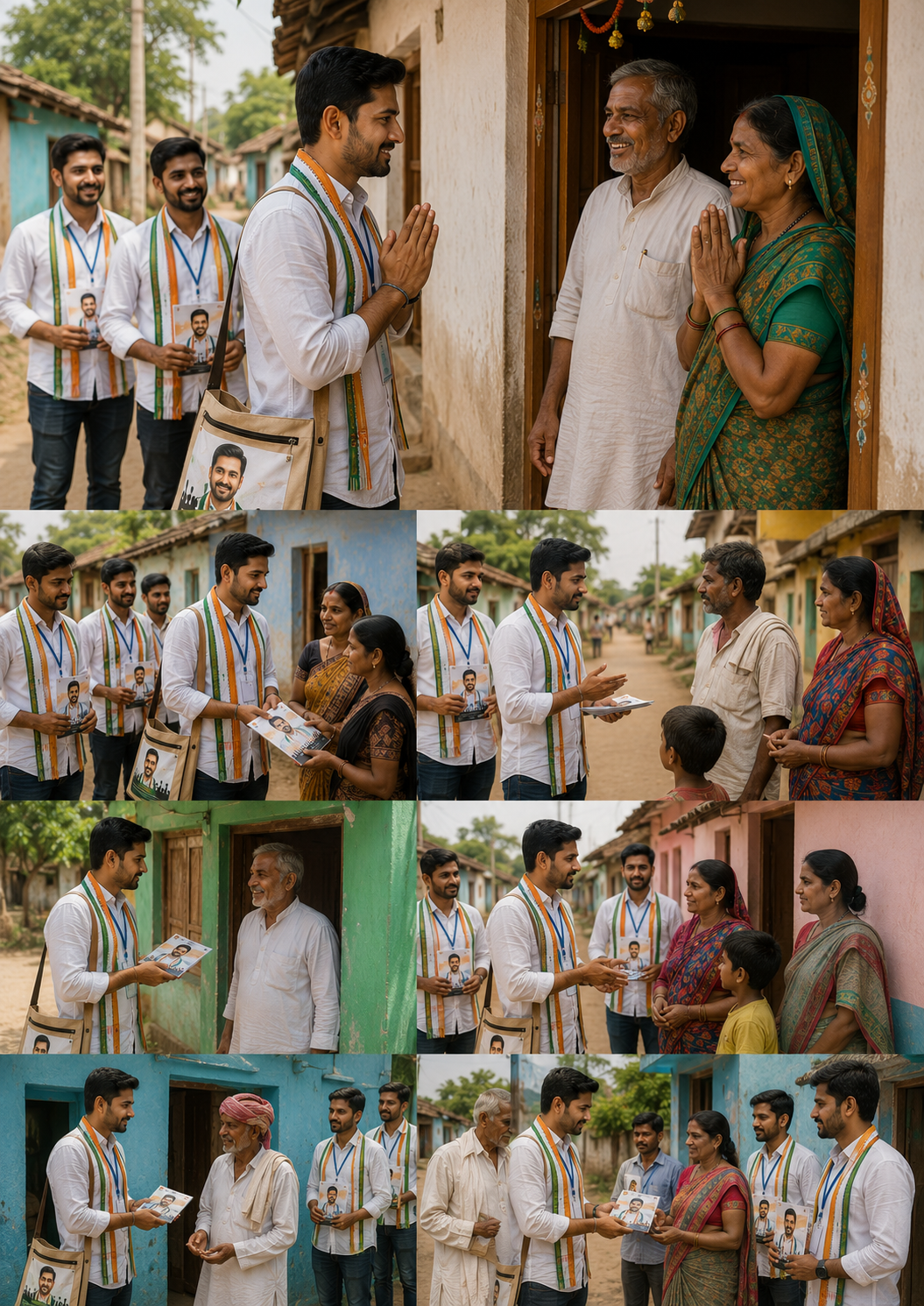
Door-to-Door Campaign
Designed for campaigns that want household contact to feel organized, relevant, and reviewable across the constituency.
Best used for
Best used when the campaign needs person-to-person household outreach for persuasion, turnout, and local familiarity.
Overview
What this service does
Door-to-door campaigning is where broad strategy meets individual household contact. This service helps campaigns decide which homes to visit, what to communicate, and how to review progress without losing pace.
IDRS approach
IDRS builds door-to-door programs around route priority, message clarity, field accountability, and repeat-contact logic where needed.
The output supports both persuasion and organization. Campaign teams can use household outreach to shift opinion, strengthen recall, and spot local issues early.
What the engagement includes
- Household outreach route planning
- Target-area and voter-priority logic
- Script and material guidance for field teams
- Daily reporting and follow-up formats
- Turnout-support planning for later phases
Partnership
Let’s join hands and win it together.
Connect with IDRS Consulting for campaign planning, political research, digital coordination, and election management support across India.
Process
How IDRS runs this assignment
The process is built around planning, execution, review, and quick course correction.
Map the outreach zones
Decide which households and localities should be reached first.
Prepare the contact script
Align what teams say with campaign message and local context.
Deploy the field cycle
Run structured household visits with route and reporting discipline.
Track completion and response
Review progress, concerns, and follow-up needs during the campaign.
Coverage
Campaign areas this service strengthens
The work is scoped around the political context, geography, and urgency of the campaign.
Household persuasion
Reach undecided or soft-support homes with direct contact.
Supporter reinforcement
Maintain visible contact with known supporters before key campaign phases.
Micro-local issues
Capture highly localized concerns that broad messaging can miss.
Route planning
Make sure outreach effort goes where it is politically most useful.
Turnout preparation
Use early household contact to support later mobilization work.
Repeat-contact follow-up
Return to important homes or clusters when the campaign needs reinforcement.
Use cases
Where this service creates the most campaign value
Campaign teams usually get the highest return when this service is timed to the right phase and objective.
Before turnout phase
Lay the groundwork for election-day mobilization through early household contact.
In persuasion-heavy seats
Use direct visits where mass communication alone is not enough.
In locality-specific contests
Reach homes in neighborhoods where local familiarity matters heavily.
Outcome
What this improves for the campaign
Every service is built to improve decision quality, execution discipline, and public connection.
Deeper voter familiarity
Household contact helps the campaign feel present and reachable.
Better field intelligence
Local reactions from home visits sharpen constituency understanding.
Improved local mobilization base
Direct contact creates a stronger foundation for later turnout work.
FAQs
Common questions about door-to-door campaign
These answers help campaign teams understand where the service fits and how it supports political execution.
What is a door-to-door campaign in politics?
It is a household-level outreach program where campaign workers or volunteers visit homes directly to communicate and persuade.
Why is door-to-door campaigning still effective?
Because direct contact builds trust, surfaces local concerns, and supports turnout more personally than mass communication alone.
How does IDRS structure door-to-door outreach?
We focus on target areas, scripts, route discipline, reporting, and follow-up so the effort is organized and useful.