
Service 12
MoreMore structured outreach BetterBetter voter conversations StrongerStronger local presence
Political Canvassing
IDRS builds political canvassing programs that help campaigns meet voters directly with more discipline. We plan the routes, scripts, local priorities, and review systems needed for organized person-to-person outreach.
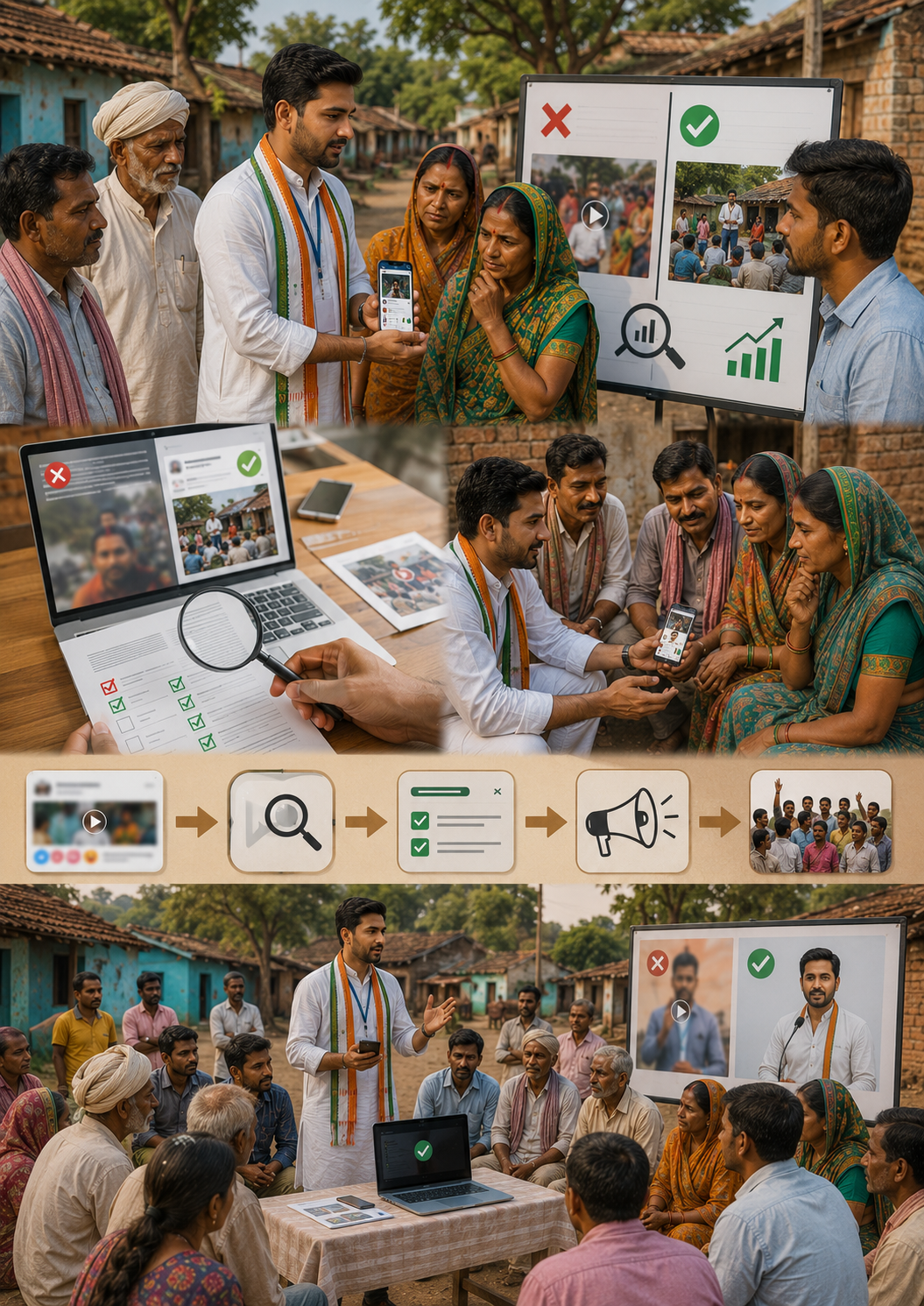
Political Canvassing
Built for campaigns that want organized voter contact instead of unstructured local outreach.
Best used for
Best used when the campaign needs face-to-face persuasion, volunteer action, or regular presence in targeted areas.
Overview
What this service does
Political canvassing gives the campaign direct human contact with voters. It is most effective when the effort is targeted, message-led, and reviewed rather than left to ad hoc local activity.
IDRS approach
IDRS structures canvassing around where the campaign should go, what should be said, and how local teams should report back from the ground.
That creates a more measurable outreach program that helps persuasion, local intelligence collection, and visible constituency presence at the same time.
What the engagement includes
- Route and target-area planning
- Volunteer and worker outreach scripts
- Conversation framing and issue priorities
- Daily canvassing review formats
- Ground feedback capture for campaign leadership
Partnership
Let’s join hands and win it together.
Connect with IDRS Consulting for campaign planning, political research, digital coordination, and election management support across India.
Process
How IDRS runs this assignment
The process is built around planning, execution, review, and quick course correction.
Choose the target zones
Select the geographies where direct contact is politically useful.
Prepare the outreach line
Define what volunteers and workers should communicate and how.
Run the canvassing cycle
Deploy structured person-to-person contact with accountability.
Review and refine
Use field feedback to improve message, route choice, and follow-up.
Coverage
Campaign areas this service strengthens
The work is scoped around the political context, geography, and urgency of the campaign.
Persuasion pockets
Reach voters who need direct contact before they move in support.
Volunteer outreach
Give volunteers clearer direction and language in the field.
Issue listening
Capture local reactions while the campaign is still able to respond.
Neighborhood presence
Maintain visible local engagement beyond big public events.
Repeat contact planning
Return to key areas with improved follow-up based on previous outreach.
Campaign feedback loops
Bring street-level feedback back into leadership review.
Use cases
Where this service creates the most campaign value
Campaign teams usually get the highest return when this service is timed to the right phase and objective.
During persuasion phases
Deploy canvassing where the campaign wants more direct local conversion.
In competitive localities
Use repeat contact where margins look narrow or fluid.
For volunteer activation
Turn supporter energy into more organized constituency outreach.
Outcome
What this improves for the campaign
Every service is built to improve decision quality, execution discipline, and public connection.
Better local voter contact
The campaign meets people with more consistency and purpose.
Useful field intelligence
Ground conversations feed back into strategy and local messaging.
Stronger persuasion effort
Direct contact improves the campaign’s chances in areas that need human outreach.
FAQs
Common questions about political canvassing
These answers help campaign teams understand where the service fits and how it supports political execution.
What is political canvassing?
Political canvassing is structured voter outreach carried out through direct conversations, often by volunteers or campaign workers.
Why is canvassing useful in election campaigns?
It improves persuasion, visibility, local listening, and voter contact in areas where direct communication matters.
Can canvassing support message testing too?
Yes. Ground conversations can reveal what voters are hearing, resisting, or responding to in real time.